Introduction
Brazilian food is a lively tapestry of flavors, structures, and customs that mirror the country's abundant social heritage. From the bustling roads of Rio de Janeiro to the serene coastlines of Bahia, every region in Brazil uses a distinct cooking experience. This article, "From Rio to Your Plate: A Trip Through Brazilian Restaurant Traditions," dives deep into the body and soul of Brazilian food society. We will certainly discover conventional meals, cooking methods, and the dining establishment scene that celebrates this remarkable cuisine.
Brazilian Cuisine: A Culinary Melting Pot
What Specifies Brazilian Cuisine?
Brazilian food is a delightful blend of aboriginal components, African influences, Portuguese heritage, and immigrant contributions from Italy, Germany, Japan, and past. This fusion creates a variety of tastes that are both soothing and exciting.
- Indigenous Payments: Indigenous active ingredients such as cassava (manioc), corn, and tropical fruits like açaí and guava are staples in several dishes. African Impact: Using seasonings and cooking techniques brought by African slaves has actually heavily influenced Brazilian food preparation. Recipes like moqueca (fish stew) exhibit this influence. Portuguese Heritage: Lots of standard recipes attract from Portuguese recipes yet have evolved over time to incorporate local ingredients.
Why Is Brazilian Cuisine So Unique?
The originality of Brazilian food lies in its regional diversity. Each state boasts its very own specialized meals based on local active ingredients and social influences:
|Region|Signature Dish|Secret Components|| -------------|-----------------------------|--------------------------|| North|Tacacá|Jambu, tucupi|| Northeast|Acarajé|Black-eyed peas|| Southeast|Feijoada|Black beans, pork|| South|Churrasco|Different cuts of beef|
This table highlights just a few examples of just how varied and abundant Brazilian cuisine can be.

Exploring Regional Flavors
Northeast Brazil: The Land of Spices
In Northeast Brazil, food is hot and dynamic. Meals are frequently identified by the use spices like dendê oil (palm oil) and malagueta peppers.
Signature Dishes from Northeast Brazil
Acarajé - Fried spheres made from black-eyed peas filled with shrimp. Moqueca - A fish stew prepared with coconut milk. Bobo de Camarão - Shrimp stew with cassava puree.These meals not just display the tastes however also mirror the region's history and culture.
Southeast Brazil: The Heart Beat of Urban Cuisine
Southeast Brazil is home to significant cities like São Paulo and Rio de Janeiro, where you can discover a blend of modern culinary methods with typical foods.
Iconic Recipes in Southeast Brazil
Feijoada - A hearty black bean stew served with rice. Pão de Queijo - Cheese bread made from tapioca flour. Brigadeiro - Chocolate truffles that are a must at any type of celebration.In these metropolitan centers, you'll find restaurants celebrating both typical recipes as well as cutting-edge takes on classic dishes.

Southern Brazil: The Barbecue Capital
Southern Brazil is famous for its churrasco (barbecue), which has actually ended up being a considerable part of its culinary identity.
Churrasco Culture
- Various cuts of meat are seasoned merely with salt before being barbequed over open flames. Accompanied by sides like farofa (toasted cassava flour) or vinaigrette salsa.
The society bordering churrasco commonly entails social gatherings where family and friends collaborated to delight in great food and company.
From Rio to Your Plate: A Journey With Brazilian Dining Establishment Traditions
Dining Decorum in Brazilian Restaurants
When dining out in Brazil, there are a number of personalizeds worth noting:
- It's common to share meals among guests. Tipping is valued but not compulsory; rounding up the costs suffices.
Understanding these subtleties will boost your eating experience as you savor genuine Brazilian food.
Types of Brazilian Restaurants
Brazil flaunts numerous types of dining establishments that satisfy various preferences and spending plans:
1. Churrascarias
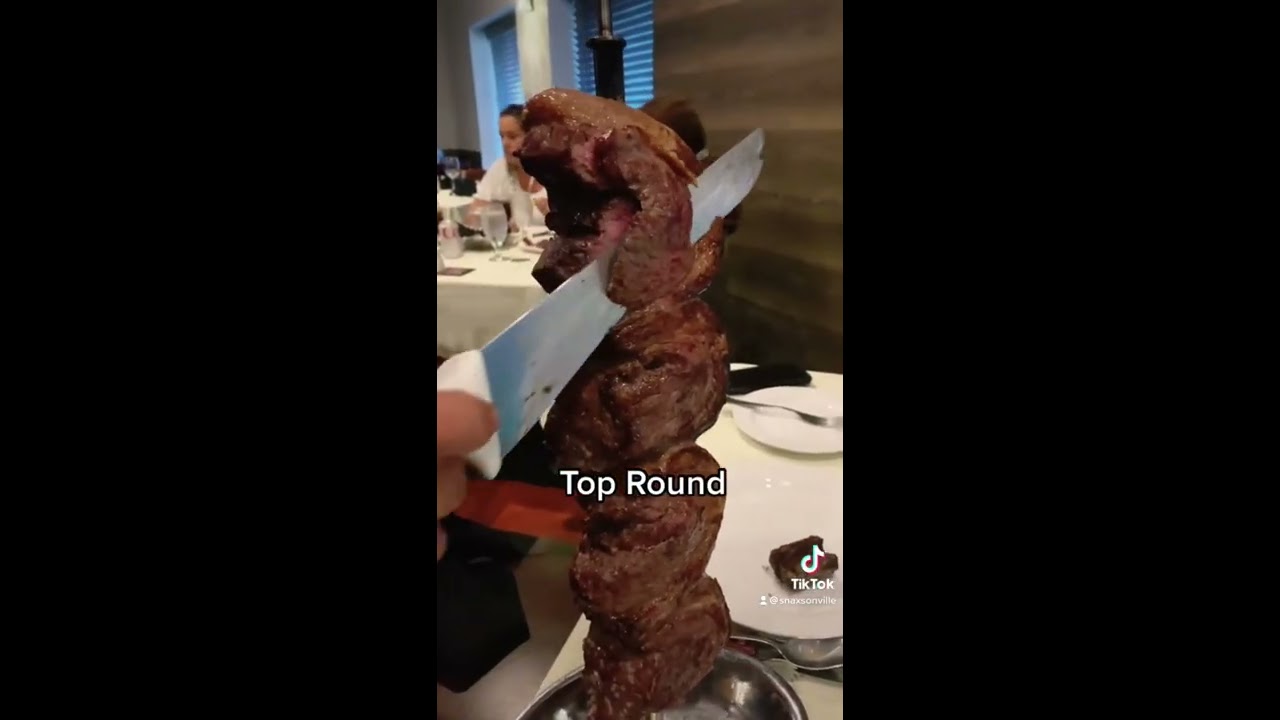
These specialized steakhouses serve unlimited skewers of smoked meat directly at your table.
2. Botecos
Casual bars serving finger foods like pastéis (tasty breads) along with beer or caipirinhas.
3. Great Dining
Upscale restaurants that use modern analyses of standard dishes making use of high-grade ingredients.
The Duty of Road Food in Brazilian Culture
Street food plays an integral duty in day-to-day life throughout Brazil's cities:
Popular Road Foods You Must Try
- Coxinha: Chicken-filled dough formed like a drumstick. Pão com Linguiça: Bread full of sausage smoked on an open flame.
Street vendors usually develop distinct spins on timeless dishes while keeping rates budget-friendly for everyone.
Vibrant Markets: Where Practice Meets Modernity
Visiting regional markets supplies insight right into active ingredients used in typical Brazilian food preparation:
1. Mercado Municipal de São Paulo
Famous for its mortadella sandwich and fresh produce stalls.
2. Feira de São Cristóvão
A market committed to Northeastern culture including food stalls marketing regional delicacies.
FAQs Concerning Brazilian Cuisine
FAQ 1: What are the staple active ingredients in Brazilian cuisine?
Answer: Common staples include rice, beans, cassava (manioc), corn, exotic fruits like mangoes and papayas, in addition to different meats such as beef and chicken.
FAQ 2: Is vegan food offered in Brazilian restaurants?
Answer: Yes! While meat plays a significant role in several recipes, lots of restaurants use vegetarian options featuring beans, rice, salads, or vegetable-based stews.
FAQ 3: What treat needs to I attempt when consuming at a Brazilian restaurant?
Answer: Don't lose out on Brigadeiro! These delicious chocolate truffles are preferred at celebrations but additionally took pleasure in year-round as a fascinating treat.
FAQ 4: Are there any type of health advantages related to Brazilian cuisine?
Answer: Yes! Lots of traditional recipes emphasize fresh vegetables, whole grains like quinoa or brown rice, lean healthy proteins such as fish or poultry-- all adding to a well balanced diet plan when eaten mindfully.
FAQ 5: How does one make genuine Feijoada?
Answer: Feijoada needs black beans simmered with different cuts https://jsbin.com/lunapivivo of pork or beef for numerous hours; it's generally offered with rice, collard environment-friendlies & & orange pieces for included taste & & nutrition!
FAQ 6: Can I locate vegan options in standard Brazilian restaurants?
Answer: While it might need some looking since several classic meals feature animal items-- some establishments now supply vegan adjustments emphasizing plant-based ingredients!
Conclusion
Embarking on this cooking trip with"From Rio to Your Plate: A Journey Through Brazilian Dining establishment Traditions" discloses not just scrumptious recipes but also the stories behind them-- the customs gave through generations producing community bonds around shared meals. Whether you're delighting at fine eating establishments or getting hold of street treats from dynamic markets-- every bite narrates interwoven within this huge land's rich tapestry-- a banquet waiting just for you!
So next time you have a chance-- whether eating in restaurants or attempting your hand at food preparation-- let these experiences motivate your taste buds! After all-- it's not almost eating; it has to do with connecting with culture & celebrating life via shared flavors!